
Matter Matters: Teaching Science in Light of the Resurrection

The Resurrection and the Reality of Creation
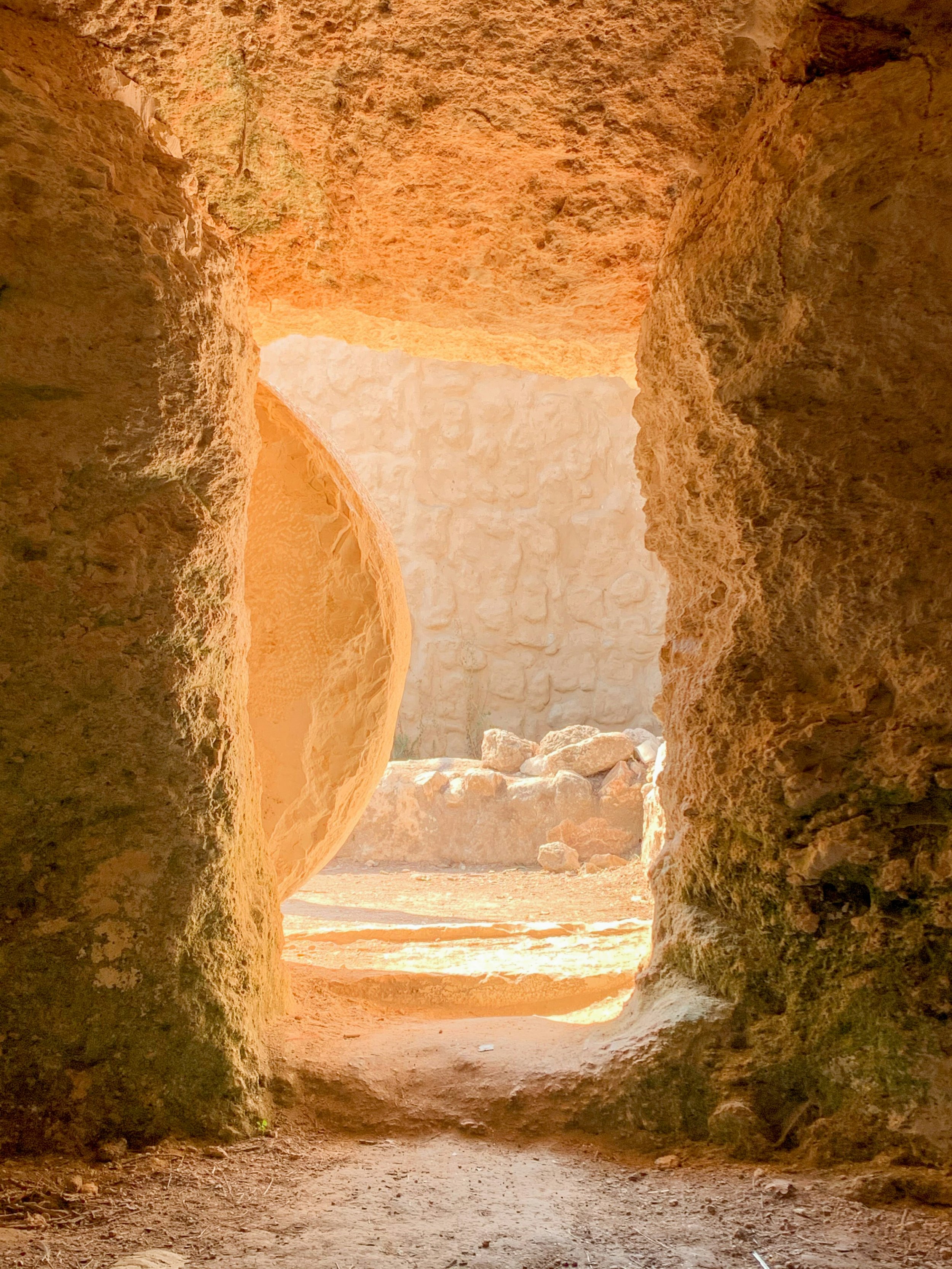
When Christians talk about the resurrection of Jesus, we sometimes focus almost entirely on its implications for salvation, forgiveness, and eternal life. Those are central truths, of course, but the bodily resurrection of Christ also says something profound about the created world itself.
If Jesus rose bodily from the grave, then matter matters.
This point may seem almost too obvious to mention, but Christians throughout history have sometimes been tempted to treat the physical world as spiritually unimportant — as though “real” things are invisible and eternal while the material world is merely temporary scenery. After all, Paul reminds believers in 2 Corinthians 4:18 to “look not to the things that are seen but to the things that are unseen” and students may absorb this idea in a distorted way concluding that physical creation is somehow less meaningful than spiritual realities. As a result, they may begin to think that science is less sacred than theology, worship, or Bible study because science deals with physical things: cells, stars, rocks, chemicals, ecosystems, and bodies. However, Christianity has always insisted otherwise.
The resurrection of Jesus is not the story of a soul escaping a body; it is the story of a body raised and glorified. The risen Christ eats fish with His disciples, Thomas touches Jesus’ wounds, and the tomb is empty not because matter was eliminated, but because death itself was defeated. This should change how Christians view creation.
In the opening chapters of Genesis God repeatedly calls creation “good” and human beings are formed not as trapped spirits but as embodied creatures made from the dust of the earth and animated by the breath of God. Christianity is fundamentally incarnational; God does not merely send ideas into the world, but He enters it Himself in flesh and blood. Then, after the crucifixion, He rises in flesh and blood.
Science Education Beyond Utility
For science educators, this means that studying the material world is not spiritually trivial work. It is an act of focusing attention on something God made, sustains, entered, redeemed, and will ultimately restore. This perspective can — and should — reshape the atmosphere of a science classroom.
You see, if we’re not careful, science education can become rather utilitarian: students learn chemistry to pass exams, they study physics because it’s a prerequisite or they study biology to prepare for a career. These reasons aren’t wrong, but classical Christian education aims at something deeper. We want students to recognize creation as meaningful rather than accidental, coherent rather than chaotic, and worthy of careful study because it reflects the wisdom of its Creator.
If creation’s destiny was annihilation, then perhaps matter would ultimately be unimportant. However, Scripture doesn’t end with souls floating away from earth. Instead, it ends with restoration. In Revelation 21 and 22, John describes a renewed heaven and earth, the New Jerusalem descending, rivers flowing, trees bearing fruit, nations healed, and God dwelling with His people. The final biblical picture of creation isn’t one of material destruction, but of material renewal and this is important for science teachers because it reminds us that the created order has enduring significance in God’s purposes.
Our students live in a culture that swings between two opposites; at one extreme is materialism which says matter is all that exists and, at the other end, is a kind of practical Gnosticism which suggests physical reality is spiritually unimportant. Christianity rejects both extremes; matter is neither ultimate nor meaningless. Matter is created, fallen, redeemable, and destined for restoration and this realization imbues science with both humility and dignity.
Science is imbued with humility because creation — as marvelous and mysterious as it is — is not divine. Scientific knowledge is valuable, but it is never absolute or morally self-sufficient. We understand that we seek scientific knowledge as creatures and not masters and we understand that we can use scientific insight wisely or destructively. As a result, the Christian science classroom should cultivate intellectual virtues like patience, honesty, wonder, attentiveness, and moral responsibility alongside intellectual skill.
But Christianity also gives science dignity because the created world is not an illusion or cosmic accident. We live in a tangible world made by a rational God and, historically, this conviction helped nurture the rise of modern science. In fact, many early scientists believed nature could be studied systematically precisely because creation reflected the orderliness of its Creator.
For classical Christian educators, this means science is more than information transfer — it is formation. When students dissect a flower, observe planetary motion, or calculate acceleration, they aren’t just collecting data. In addition, they’re learning to pay attention, learning the world is intelligible, and learning that the world is full of precision and wonder. Most importantly, they are learning that truth cannot be fragmented by academic departments, but ultimately belongs to one Creator.
The Science Classroom as a Place of Restoration
At a time where many students spend enormous portions of their lives in digital spaces where reality is mediated by screens, algorithms, and virtual reality, the science classroom can be a place where students are called back to embodied reality — to actually look through a microscope, to hold the rock sample in their hand, to witness the chemical reaction, and to watch the stars through a telescope over a period of days.

Christianity is stubbornly physical: water in baptism, bread and wine at the table, human voices singing together, and hands lifted in prayer. At the center of it all is a resurrected Christ who still bears scars.
Finally, understanding that the Gospel does not erase creation, but will ultimately redeem it offers a potential corrective for despair. Students are bombarded with narratives of inevitable environmental, social, cultural, and/or technological collapse and, although Christians should take stewardship seriously, the resurrection reminds us that history is not moving toward meaninglessness. Christ’s victory over death is the beginning of the renewal of all things.

Science teachers have the privilege of helping students love the world without worshiping it and study the world without reducing it to mere mechanism; this is no small task. It means teaching students that the laws of motion, the complexity of DNA, and the beauty of nebulae are all part of a creation that declares the glory of God.
Ultimately, it means reminding students that the resurrection is not merely about life after death; it is about the redemption of creation itself.
The bodily resurrection of Jesus means that matter matters and, for Christian science educators, this truth changes everything.