
What Our Hands Reveal: From Grasping to Grace
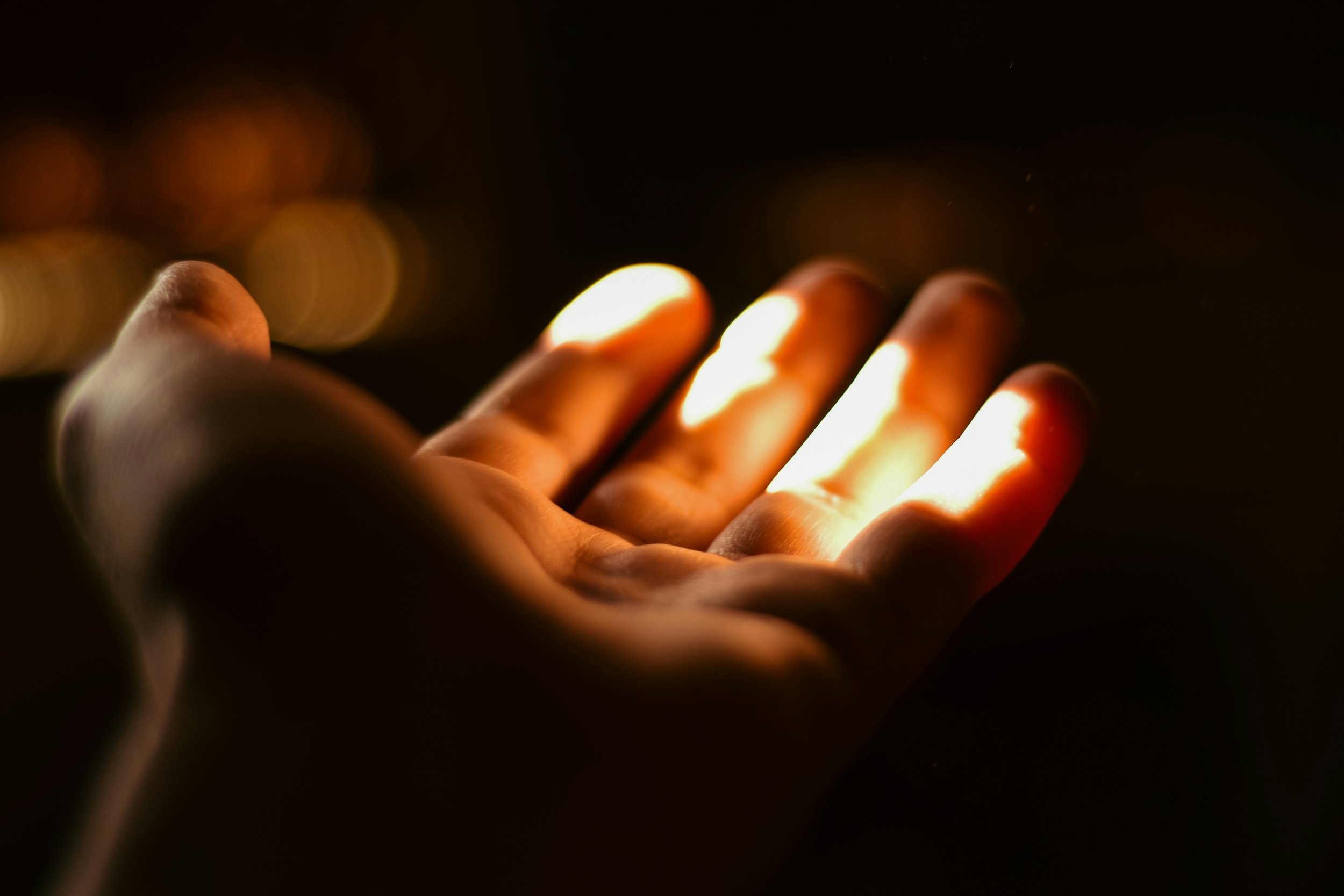
Someone once said that the eyes may be the windows to the soul, but it’s our hands that reveal our character — that our hands actually express what’s going on in our hearts and minds. When an artist puts brush to canvas, their hands are simply giving form to what’s already alive inside. The same is true of a warrior reaching for a weapon or a thief reaching for someone else’s belongings. Our hands reveal what we love, fear, and value.
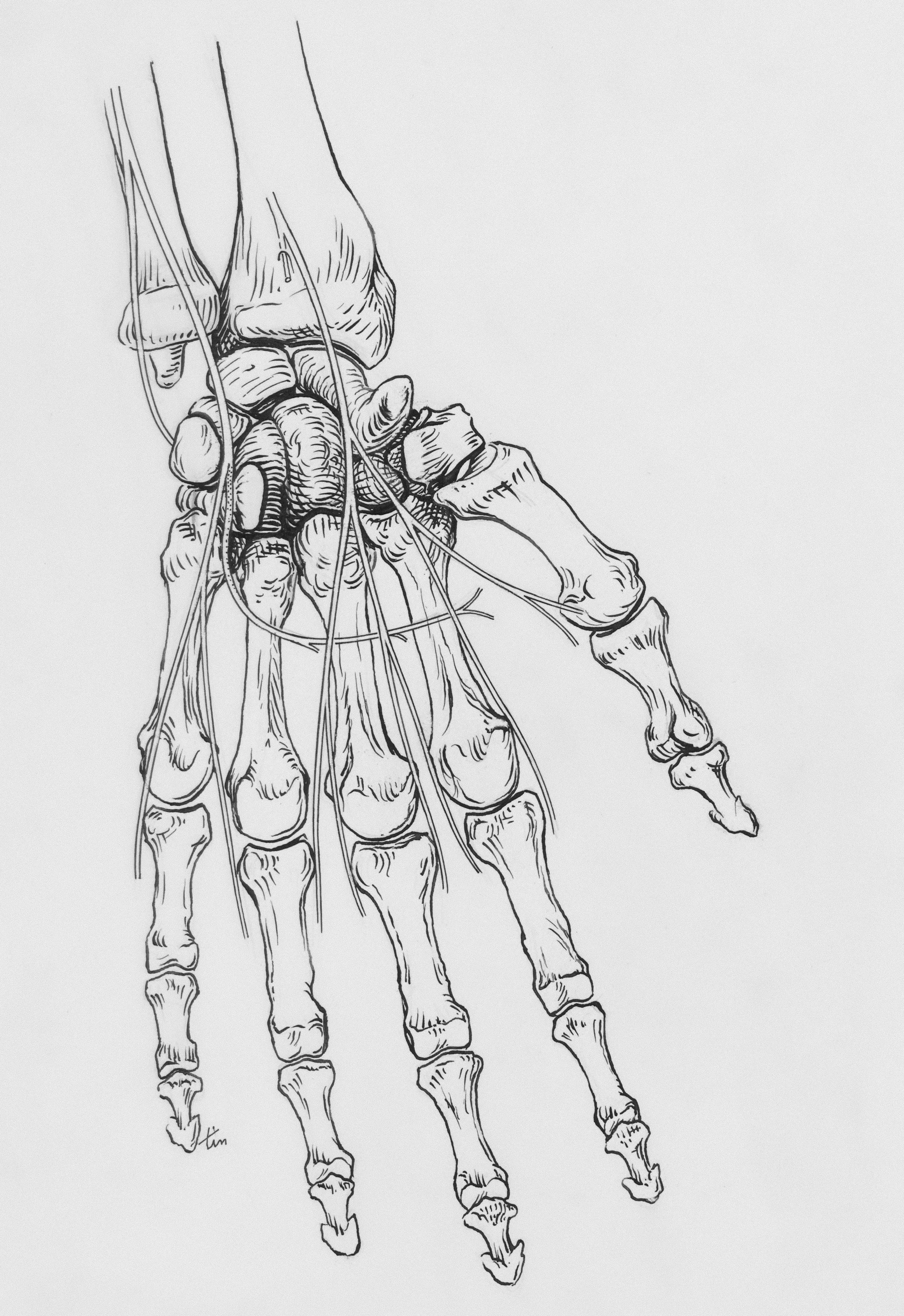
Hands themselves are astonishingly complex. Each one contains twenty-nine bones, twenty-nine joints, thirty arteries, thirty-four muscles, forty-eight nerves, and over a hundred ligaments. Don’t worry — there’s no quiz forthcoming.
As intricate as they are, hands are also wonderfully practical. The same hands that knead dough can perform surgery. The hands that build a model skyscraper can later help construct the real thing. They let us type, hammer nails, swing a bat, and hold something as fragile as a potato chip without crushing it.
Closed Hands: The Instinct to Cling
Yet for all that complexity, our hands really do just two basic things: they open and they close. If our hands reveal our character, then they do it through these simple motions — opening and closing.
Closing our hands is instinctive. Babies are born with clenched fists, and if you place your finger in their palm, they grab it without being taught. Soon they’re gripping rattles, toys, bottles, handlebars, pencils, steering wheels, and eventually — maybe — the hand of someone special. We are, by nature, closers.
Even right now, unless your hands are pressed flat against something, your fingers are probably curled just a little, ready to close. Physically, closing our hands feels natural and easy.
But beyond instinct, we’re also taught to close our hands in other ways. Life offers us endless “courses” with titles like You’re Worth It and Just Do It. The lecture halls look like dorm rooms, coffee shops, offices, and screens glowing late at night.

Different teachers, same lesson: grab what you want, hold tight, and never let go. Success, security, relationships, achievement — whatever you think you need — close your hands around it and squeeze. We’re told the good life is lived with clenched fists.
If we learn that lesson well, something predictable happens. Our vision narrows. Anxiety grows. We’re constantly afraid of losing what we’re gripping. Holding tight is exhausting, but letting go feels terrifying because it means surrendering control — or at least the illusion of control. And with our hands clenched, we can’t reach out to help others or receive help ourselves.
Closed hands turn life into a competition. Anyone nearby becomes a threat — either to what we want or to what we already have. Closed hands resist new ideas, avoid unfamiliar experiences, and eventually squeeze the life out of both what we’re holding and ourselves.
Open Hands: Trusting What We Cannot Control
The only alternative is to live with open hands — but that doesn’t come naturally. It has to be learned, and it’s not easy. Open hands begin with the realization that no matter how tightly we grip, life refuses to be controlled. Contrary to the old poem that tells us we are the masters of our fate and captains of our souls, Scripture says otherwise: “The heart of man plans his way, but the Lord establishes his steps” (Proverbs 16:9). God alone is in control, and we face a simple but costly choice: trust Him, or don’t.
Trusting God changes everything — and often feels terrifying. I think God knew that, so He showed us His trustworthiness by repeatedly opening His hands to us. He gave humanity life and everything needed to sustain it. He fed His people with manna, gave water in the wilderness, provided laws, a homeland, and His Word. And then, in the ultimate act of open-handed love, God gave His Son. Jesus lived with open hands — healing, blessing, serving — and in the final expression of that posture, allowed those open hands to be nailed to a cross so we might be reconciled to God.
If we truly grasp what we’ve received from the open hands of the Father and the Son, we’re compelled to live the same way. Open hands mean mercy, grace, forgiveness, humility, vulnerability, and empathy. They mean risking loss — because life might take something from our hands — and risking surprise — because life might place something in our hands we never wanted.
Living with open hands also means seeking connection, welcoming conversation, and engaging people whose ideas stretch us beyond our comfort zones. Open hands allow us both to give and to receive.
Forming Open Hands in the Classroom
When Jesus was asked about the greatest commandment, He answered: “You shall love the Lord your God with all your heart and with all your soul and with all your mind… and you shall love your neighbor as yourself.” Our love for neighbor, then, becomes the visible measure of our love for God.
Augustine once asked what love looks like and answered: “Love has the hands to help others. It has the feet to hasten to the poor and needy. It has eyes to see misery and want. It has ears to hear the sighs and sorrows of men.” Love has many expressions — but it begins with the hands. Our hands reveal what’s really in our hearts.

And this is where classical Christian educators matter deeply. In our classrooms, we are shaping not only minds, but postures — teaching students whether life is something to clutch or something to receive and give with open hands. By modeling humility, wonder, courage, and trust in God’s sovereignty, we invite students into a vision of learning that is not grasping but grateful, not anxious but attentive, not closed but open. In a culture that trains clenched fists, we have the rare privilege of forming open hands — and through them, open hearts.